Coffee Not Bitter: A Journey to Thailand’s Smoothest Highland Brew

Coffee Not Bitter: A Journey to Thailand's Smoothest Highland Brew

The Morning That Changed Everything

Seven years ago, Phaisan stood at the edge of his family’s coffee farm in Doi Chang, Thailand, staring at a cup of coffee that had just shattered his assumptions. He had spent his entire childhood believing that coffee was supposed to be bitter—that harsh, face-scrunching sensation was simply the price you paid for morning alertness. But this cup, brewed from beans his neighbors had carefully cultivated at 1,200 meters above sea level, told a completely different story.

It was smooth. Remarkably smooth. With notes of chocolate swirling through a mellow body that felt like velvet on his tongue. There wasn’t a trace of the bitterness he’d grown up accepting as normal. That single cup sparked a question that would transform his life: what if coffee not bitter wasn’t just possible, but actually the way coffee was meant to taste?

The Secret Hidden in the Mist

The answer, Phaisan discovered, had been hiding in plain sight all along—or rather, hidden in the misty highlands of Northern Thailand. While mass-produced coffee often comes from beans grown at low elevations and harvested with speed rather than care, the Arabica beans from Doi Chang and Doi Thep Sadet grow slowly in cooler temperatures, developing complex sugars and balanced acids that eliminate the harsh bitterness many associate with coffee.

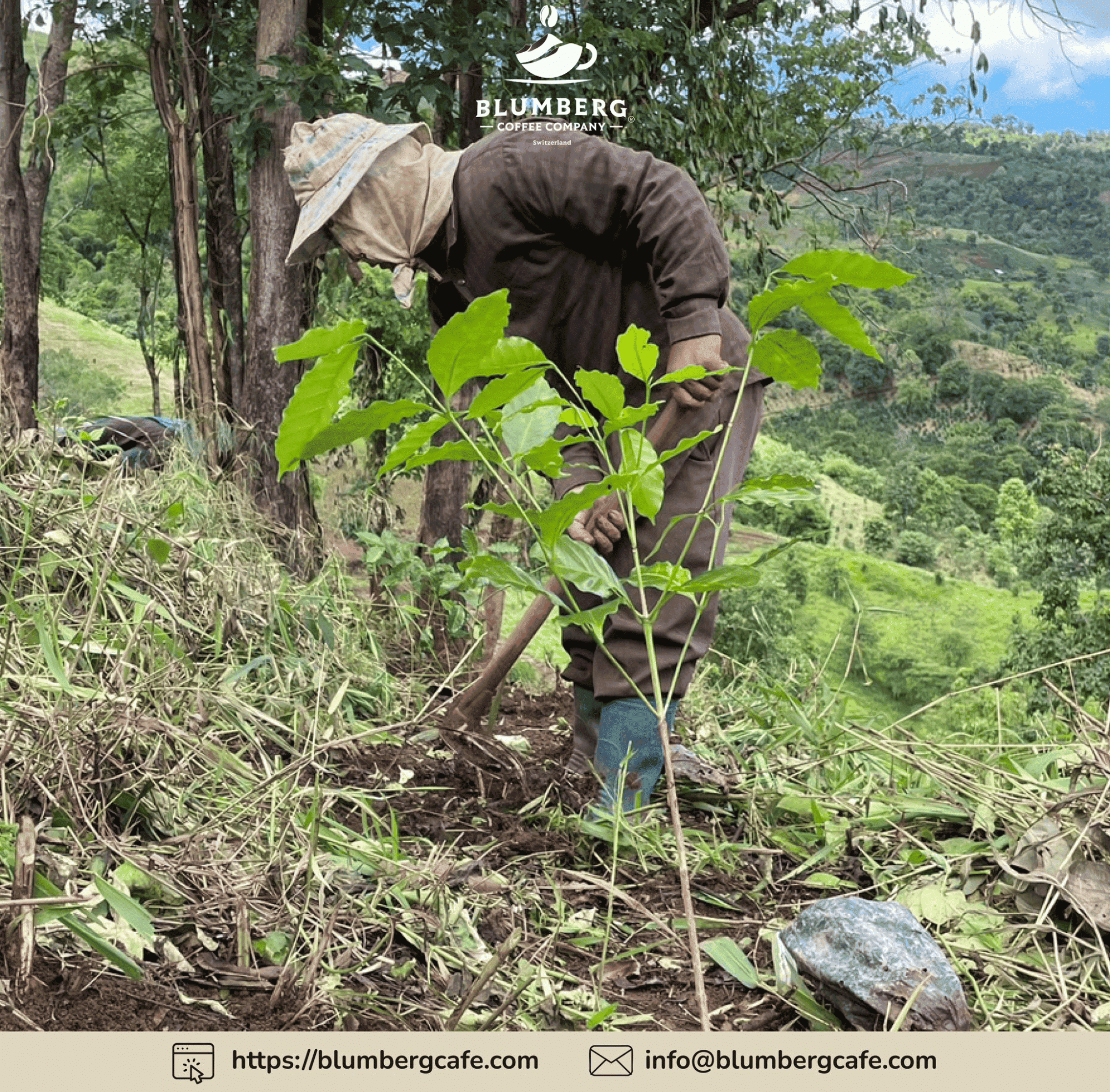
These hill tribe farmers, working without chemicals and picking only the ripest cherries by hand, weren’t just growing coffee. They were cultivating an entirely different experience—one where sweetness and smooth body take center stage, and bitterness retreats into the background where it belongs.

The elevation matters more than most people realize. Above 1,200 meters, coffee cherries mature more gradually, allowing the natural sugars to fully develop. The result is a cup that tastes of rich chocolate, subtle wildflowers, and forest wood—flavors that have nothing to do with bitterness and everything to do with terroir and careful cultivation.

When Tradition Meets Expertise

Thirty-five years ago, the Thepsadej family began a different kind of journey—one that would eventually bridge the gap between Thai tradition and international excellence. When the founder traveled to Milan to train at the Lavazza Coffee Academy, he didn’t go to replace traditional Thai coffee knowledge. He went to enhance it, learning the precise art of roasting that would unlock every nuanced flavor hidden in those highland beans.

This fusion of heritage and expertise transformed everything. The family’s modern roasting facilities in Chiang Mai now process beans with the kind of precision that would make any Italian maestro proud, but always in service of bringing out the inherent smoothness that makes Thai highland coffee so distinctive.

The roasting process itself is where the magic happens—or where it can be destroyed. Over-roasted beans become bitter and charred, losing all the delicate flavors that careful farmers spent months nurturing. But when done right, roasting becomes an art form that reveals chocolate sweetness, develops rich aromatics, and maintains that signature smooth body that makes you wonder why anyone tolerates bitter coffee at all.

A Cup with Purpose

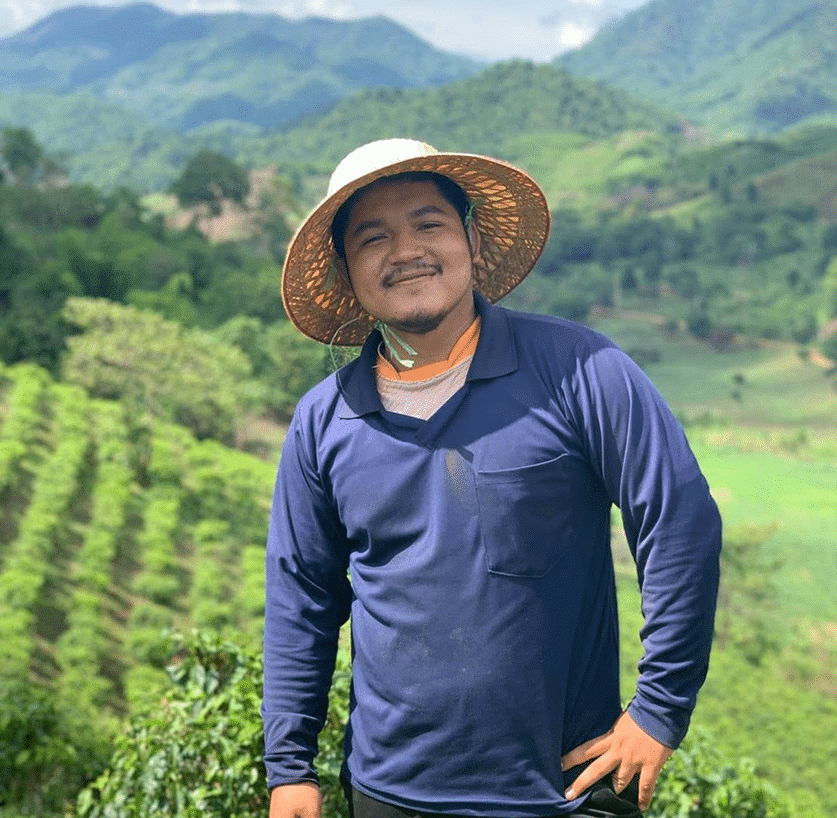
What makes this story truly remarkable isn’t just that coffee not bitter is possible—it’s that every cup carries meaning beyond taste. When Phaisan returned home with his marketing degree, he didn’t see his family’s farm as a business to modernize. He saw a community that could thrive together.

“I believe in the power of community,” he explained as neighbors gathered to form their collective enterprise. “This creates income for our families and helps the entire community grow through the production of high-quality coffee.”
Blumberg Coffee Company was founded on this same philosophy—that true quality emerges from deep relationships, not mass production. Every bag supports the hill tribe farmers who make this smooth, non-bitter coffee possible, creating lasting change in rural communities while delivering exceptional quality to coffee lovers who’ve been searching for something better.

The Science of Smooth

Understanding why some coffee is bitter while Thai highland coffee is smooth requires looking at what happens from cherry to cup. Bitterness in coffee typically comes from three sources: low-quality beans, improper roasting, or poor brewing technique. Highland Thai coffee eliminates the first two factors entirely.

The careful hand-picking ensures only fully ripe cherries are processed—unripe beans are one of the primary culprits behind bitter, astringent coffee. The washing and hulling process then removes any defective beans that might introduce off-flavors. What remains are only the premium beans that have the potential for that smooth, chocolate-rich character.

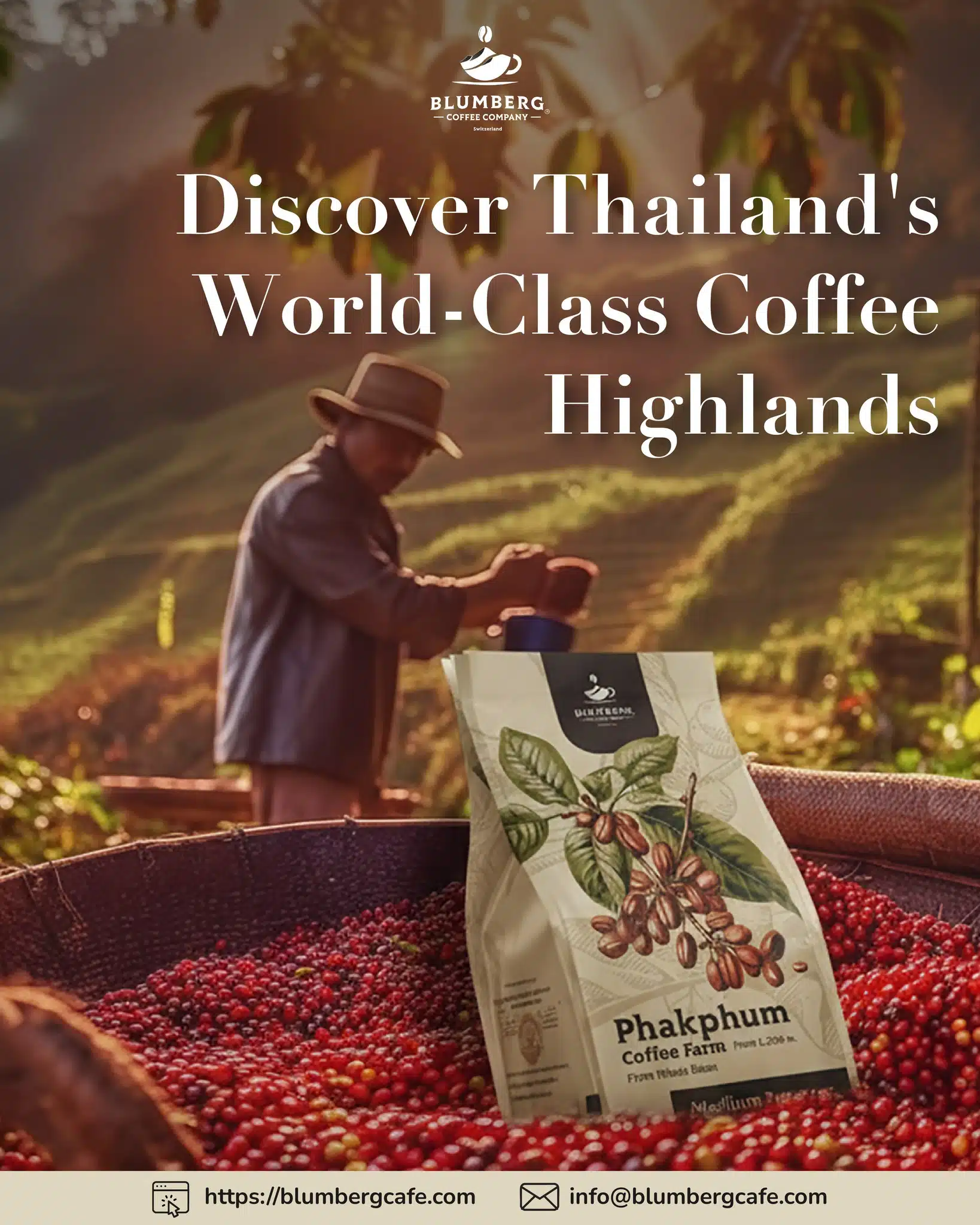
The roasting level matters immensely. While dark roasts can be delicious in skilled hands, they’re also where many coffees turn bitter as natural sugars carbonize. Medium roasts, like those from Phakphum Coffee Farm, offer that sweet spot where body, sweetness, and acidity achieve perfect balance—the kind of equilibrium that keeps you returning for another cup not out of caffeine dependency, but genuine enjoyment.
Phakphum Coffee Farm

Brewing Your Own Perfect Cup

Even the best beans can produce bitter coffee if brewed incorrectly. The good news? Brewing coffee not bitter is straightforward once you understand a few principles. Water temperature should hover between 195-205°F—too hot extracts bitter compounds, too cool under-extracts and tastes sour. Brewing time matters too: over-extraction pulls out harsh tannins that overwhelm the smooth chocolate notes you’re seeking.

For Thai highland coffee specifically, methods like pour-over or French press work beautifully because they allow you to control the variables precisely. The naturally low acidity and smooth body of these beans mean you’re starting with a forgiving canvas—one that rewards attention to detail but doesn’t punish minor variations the way more temperamental origins might.

A Movement, Not Just a Product

What started as Phaisan’s revelation on a misty morning has evolved into something larger—a demonstration that ethical sourcing and exceptional quality aren’t opposing forces, but complementary values. The community enterprises in Doi Chang and Doi Thep Sadet prove that farmers who are paid fairly and work sustainably produce better coffee than industrial operations chasing volume.
This is the philosophy that connects Swiss precision with Thai tradition through Blumberg Coffee Company. It’s a belief that real quality comes from respecting origin, maintaining uncompromising standards, and valuing the human hands behind every bean. In a world of mass production and superficial marketing, choosing coffee not bitter means choosing a different path entirely.

Your Invitation to Taste the Difference

If you’ve spent years believing that coffee is supposed to be bitter, that morning alertness requires enduring harsh, astringent flavors, then you’re in for a revelation of your own. Thai highland coffee—particularly from the renowned regions of Doi Chang and Doi Thep Sadet—offers something genuinely different: smooth body, rich chocolate notes, complex aromatics, and most notably, an absence of the bitterness you’ve tolerated for too long.
Thai highland coffee
Whether you prefer the floral complexity of a medium roast or the bold richness of darker profiles, the foundation remains the same: beans grown with care, roasted with expertise, and brought to you through relationships built on respect and fair compensation.

The next time you’re contemplating your morning coffee, consider this: what if that bitter edge you’ve accepted as normal is actually optional? What if smooth, chocolate-rich, genuinely enjoyable coffee isn’t a luxury, but simply what happens when quality, care, and community come together at 1,200 meters above sea level?

Discover what coffee not bitter truly means. Your taste buds—and the hill tribe farmers who made it possible—will thank you.